

Waking Up at 3 AM Every Night? Here's What May Have Changed
You used to put your head on the pillow, fall asleep, and—aside from the occasional restless night—wake up in the morning.
Now? You're looking at the clock at 2:43 AM.
Then 3:17 AM.
Then 4:06 AM.
And somehow you're expected to get up and function normally a few hours later.
If waking up in the middle of the night has suddenly become part of your routine, you may be wondering:
What changed?
The answer isn't always straightforward. Sleep can be influenced by everything from your daily habits and stress levels to underlying health concerns and hormonal changes.
But if your sleep has noticeably changed, it's worth paying attention.
Why Am I Suddenly Waking Up in the Middle of the Night?
Occasionally waking during the night isn't unusual. Your body naturally moves through different stages of sleep, and brief awakenings can happen.
The concern is when waking becomes frequent, you're struggling to fall back asleep, or poor sleep begins affecting how you feel during the day.
You might notice:
Waking around the same time most nights
Difficulty falling back asleep
Feeling hot or experiencing night sweats
Waking with your mind racing
Feeling exhausted despite spending enough time in bed
Relying heavily on caffeine during the day
Changes in your mood, concentration, or energy
There are many potential reasons for disrupted sleep, which is why understanding the bigger picture matters.
Could Hormones Be Affecting Your Sleep?
For women approaching perimenopause or menopause, hormones may be one piece of the puzzle.
During perimenopause, levels of hormones including estrogen and progesterone begin to fluctuate. These changes can influence sleep directly and may also contribute to symptoms that make getting a good night's sleep more difficult.
Hot flashes and night sweats are obvious examples. Waking up overheated certainly isn't conducive to eight uninterrupted hours.
But you don't necessarily need to be experiencing dramatic hot flashes to notice that your sleep has changed.
For some women, disrupted sleep is one of several subtle changes that begin appearing around the same time as changes in mood, menstrual cycles, energy, concentration, or libido.
It Isn't Always Hormones
This is important.
If you're a woman in your 30s, 40s, or 50s experiencing poor sleep, that doesn't automatically mean hormones are responsible.
Sleep can also be affected by:
Stress and anxiety
Caffeine or alcohol consumption
Changes in routine
Certain medications
Sleep disorders
Thyroid concerns
Other health conditions
Your sleep environment
That's why looking at the whole picture is more helpful than simply assuming, "It must be menopause."
The Sleep–Energy Cycle
One of the frustrating things about poor sleep is how quickly it can start affecting the rest of your day.
You wake up exhausted, so you reach for coffee.
By the afternoon, you're crashing.
You have another coffee or energy drink to make it through the rest of the day.
You're too tired to exercise or prepare a proper meal.
Then bedtime arrives, and somehow you're either not tired anymore or you're awake again a few hours later.
Poor sleep can also affect concentration, mood, energy, and overall well-being, which is why a sleep concern can quickly start feeling like an everything concern.
When Is It Worth Talking to Someone?
One rough night isn't usually cause for concern.
But if your sleep has noticeably changed and the pattern continues, particularly if you're experiencing other new symptoms at the same time, it's worth discussing with a healthcare provider.
Consider starting a conversation if:
Your sleep problems are persistent
You're regularly exhausted during the day
Your sleep is affecting your work or daily activities
You're experiencing night sweats or hot flashes
You've noticed changes in your menstrual cycle
You're also experiencing changes in mood, concentration, energy, or libido
You don't need to wait until you're completely exhausted to ask why something has changed.
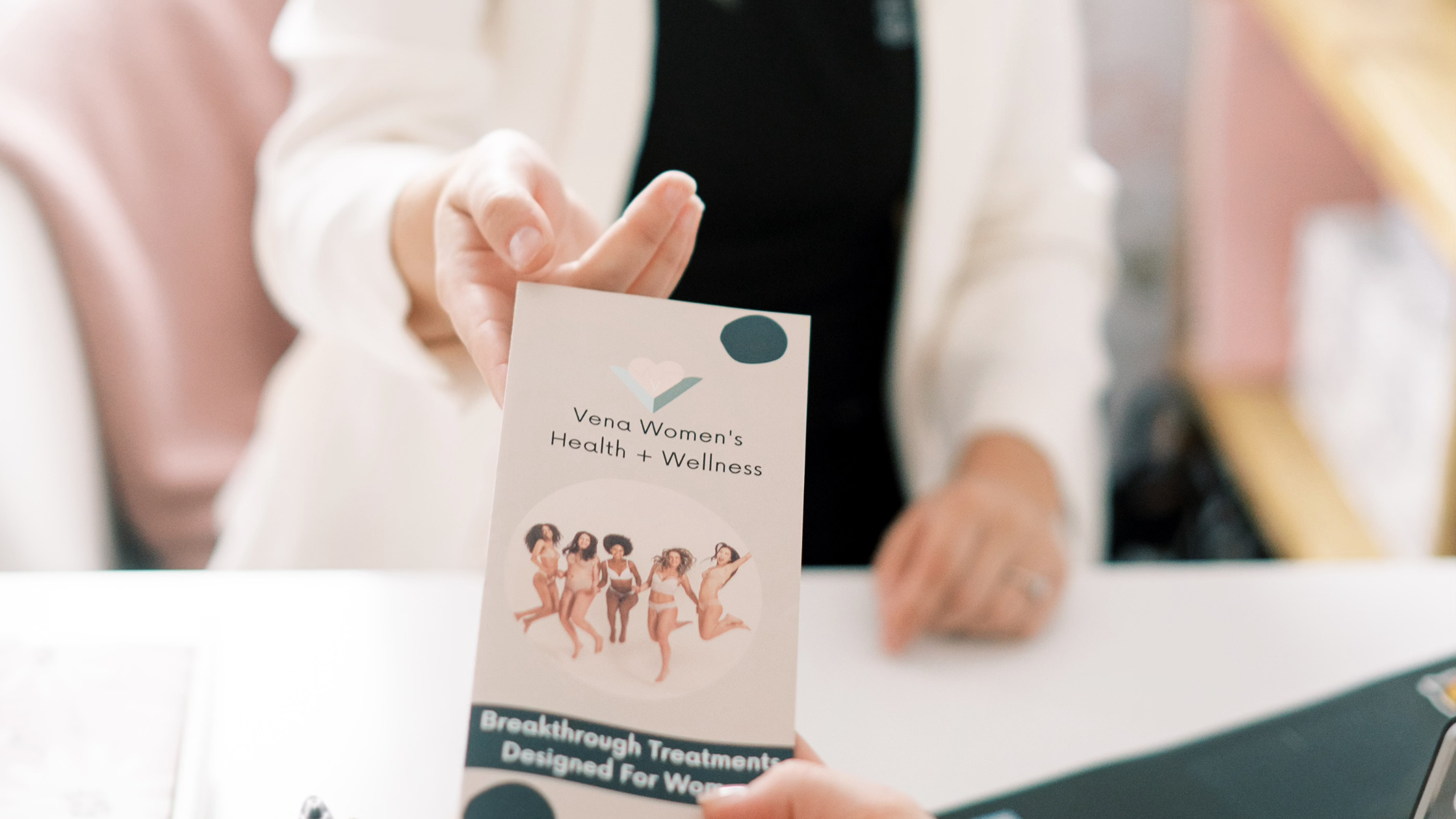
At Vena, We Start With the Bigger Picture
At Vena Health + Wellness, our Women's Health Consultations are designed to give you the space to talk about what's changed and how it's affecting you.
Instead of looking at one symptom in isolation, we can discuss your health history, symptoms, lifestyle, and concerns to determine what next steps may be appropriate for you.
Because sometimes the most important question isn't simply:
"How do I sleep better?"
It's:
"Why did my sleep change in the first place?"
If you're ready to start finding answers, book a Women's Health Consultation with Vena Health + Wellness.