

We Don’t Talk About This Enough: The Emotional Shift
We don’t talk about this enough.
Not the emotional shift.
Not the way you can wake up one day and feel slightly unfamiliar in your own mind.
You’re still you.
But your patience feels shorter.
Your anxiety feels louder.
Your motivation feels lower.
Your resilience feels thinner.
And because it’s not dramatic, you don’t say much.
You just assume you need to handle it better.
“I Just Don’t Feel Like Myself”
This is one of the most common things women say in a consult.
Not: “I’m depressed.”
Not: “I’m falling apart.”
Just: “I don’t feel like myself.”
That subtle shift matters.
It can look like:
Increased irritability
Anxiety that feels new or amplified
Crying more easily
Feeling emotionally flat
Loss of drive
Brain fog
Reduced tolerance for stress
Trouble sleeping
And because you’re still functioning, you minimize it.
Hormones and Mood Are Deeply Connected
Emotional shifts are not personality flaws.
They’re often physiological.
Estrogen & Serotonin
Estrogen directly influences serotonin, the neurotransmitter responsible for mood stability and emotional regulation.
When estrogen fluctuates, serotonin can fluctuate too.
This can lead to:
Increased anxiety
Mood swings
Irritability
Emotional sensitivity
Progesterone & Calm
Progesterone has a naturally calming effect on the nervous system.
When levels drop, you may feel:
More on edge
Less tolerant
More reactive
Cortisol & Chronic Stress
When your nervous system stays in fight-or-flight mode, your body prioritizes survival over balance.
Chronic cortisol elevation can contribute to:
Anxiety
Sleep disruption
Emotional volatility
Mental fatigue
You’re not “too sensitive.”
Your system may simply be overloaded.
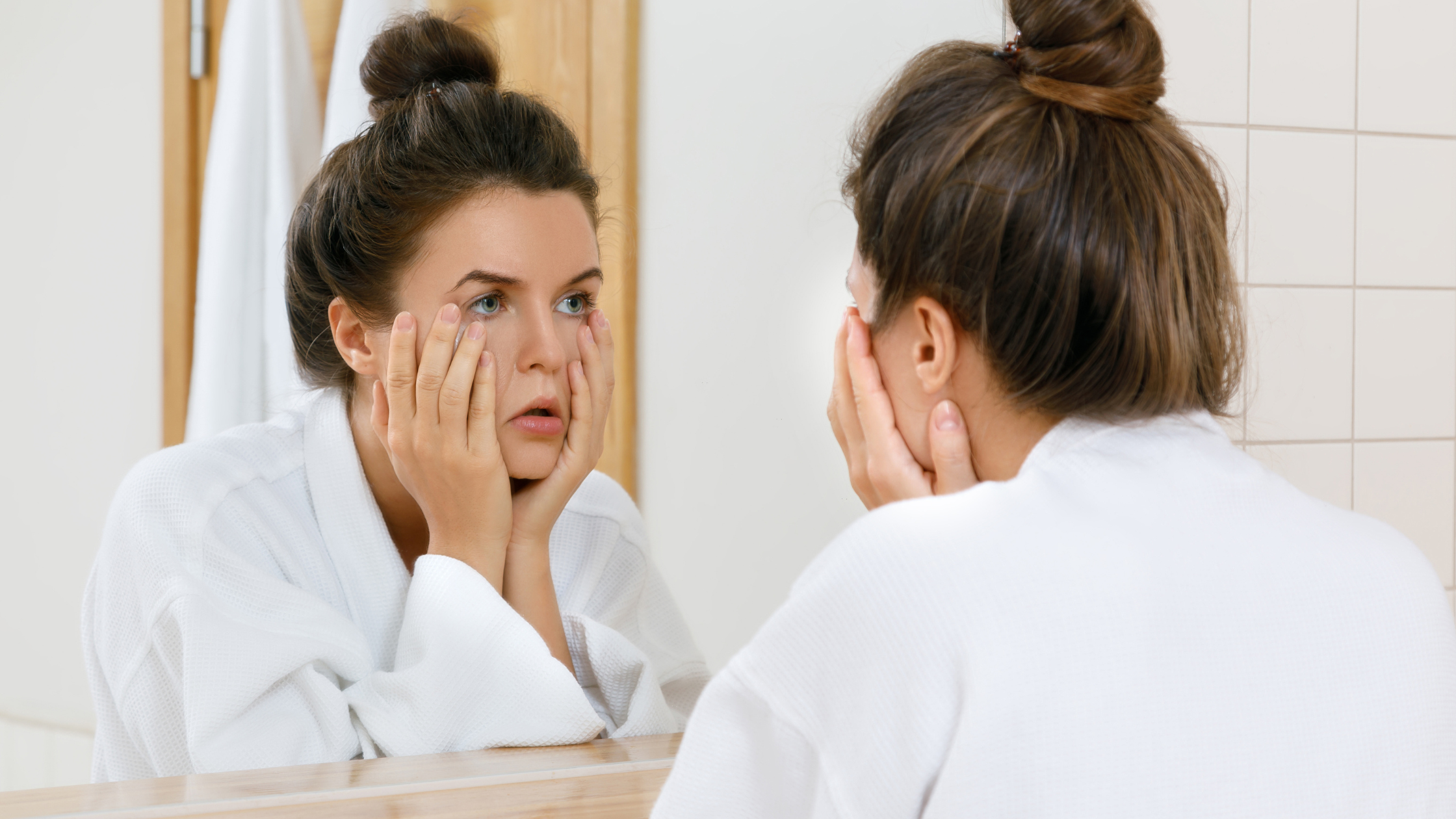
The Identity Shift
This is the part we rarely name.
It’s not just feeling anxious.
It’s wondering why you don’t feel as steady as you used to.
It’s questioning your resilience.
Your drive.
Your spark.
It’s snapping at people you love and feeling guilty.
It’s feeling disconnected from your usual confidence.
It’s wanting your old energy back.
And because women are conditioned to hold everything together, you internalize it.
But feeling unlike yourself is a signal.
Not a failure.
Sleep, Inflammation & Emotional Stability
Sleep disruption alone can significantly impact mood regulation.
And hormone shifts often affect sleep first.
Add inflammation, nutrient deficiencies (like iron or B12), and chronic stress to the mix, and emotional stability can feel unpredictable.
This isn’t about mindset alone.
It’s about biology.
What Support Can Look Like
At Vena Health + Wellness, we approach emotional shifts through a whole-body lens.
A women’s health consult may explore:
Hormone balance
Cortisol patterns
Sleep quality
Iron & B12 levels
Vitamin D status
Nervous system regulation
Inflammation markers
Support may include:
Hormone Optimization
When appropriate, balancing hormones can stabilize mood and improve resilience.
Nutrient Support
Targeted vitamin support can significantly impact clarity and emotional steadiness.
Nervous System Support
Strategies and treatments that help shift your body out of chronic stress mode.
The goal isn’t to numb symptoms.
It’s to restore balance.
You’re Not Meant to White-Knuckle This Phase
Emotional changes are common.
But silently struggling through them doesn’t have to be.
If you feel:
Less patient
More anxious
Emotionally flat
Disconnected
Unlike yourself
That’s worth exploring.
Not because something is wrong with you.
But because your body might need support.
We Don’t Talk About This Enough
Mood shifts.
Anxiety.
Loss of drive.
Feeling off.
These are conversations women deserve to have without shame.
A women’s health consult is a safe place to start that conversation.
Because feeling emotionally steady, clear, and like yourself again isn’t a luxury.
It’s foundational.
Book your women’s health consult at Vena Health + Wellness and start reconnecting with yourself.