

Why Your Libido Drops After the Holidays (And What to Do About It)
If your libido feels noticeably lower after the holidays, you’re not alone; and no, it’s not “just in your head.”
January is one of the most common months women notice a shift in intimacy, desire, and connection with their bodies. While many assume it’s due to stress, exhaustion, or the winter blues, the truth is more layered than that. Hormones, nervous system overload, and post-holiday depletion all play a major role in libido changes, especially for women.
At Vena Health + Wellness, we talk to women every day who say things like:
“I feel disconnected from my body.”
“I’m exhausted, intimacy feels like another task.”
“My desire just isn’t there anymore.”
“I don’t feel like myself.”
These feelings are common, but they are not something you have to accept as your new normal.
Let’s break down why libido often drops after the holidays and what actually helps restore it.
Why Libido Is Often Lowest in January
1. Your Nervous System Is Burnt Out
The holiday season is fun, but it’s also incredibly demanding. More social events, less sleep, disrupted routines, emotional labour, financial stress, and constant stimulation all push your nervous system into survival mode.
When your body is focused on coping, libido is not a priority.
Desire thrives when you feel safe, rested, regulated, and present… not overwhelmed and depleted.
2. Cortisol (Stress Hormone) Is Elevated
Cortisol rises during periods of prolonged stress. While cortisol is helpful in short bursts, chronic elevation suppresses sex hormones like estrogen, progesterone, and testosterone, all of which play a role in libido.
High cortisol can lead to:
low desire
difficulty becoming aroused
reduced sensitivity
emotional disconnection
fatigue and irritability
This is one of the biggest reasons libido drops in January.
3. Hormones Are Depleted After the Holidays
Between irregular eating, increased sugar and alcohol intake, disrupted sleep, and higher stress, your body often enters January nutrient-depleted and hormonally drained.
Key hormones involved in libido; including estrogen and testosterone, rely on proper nutrition, sleep, and nervous system balance. When those are off, desire often follows.
4. Blood Sugar Imbalances Affect Desire
Holiday eating patterns often cause blood sugar spikes and crashes. When blood sugar is unstable, energy drops and inflammation rises — neither of which support libido.
Low energy + inflammation + stress = low desire.
5. Emotional and Mental Load Is Still High
January doesn’t instantly bring relief. For many women, it’s the month where everything finally slows down enough to feel the exhaustion they’ve been running from.
Libido requires mental space. If your mind is still overloaded, intimacy often feels inaccessible.
Signs Your Low Libido Is Hormone-Related
Low libido rarely shows up alone. It’s often paired with other symptoms, such as:
fatigue or burnout
mood changes or irritability
anxiety or feeling emotionally flat
disrupted sleep
brain fog
weight changes
low motivation
vaginal dryness or discomfort
These are not separate issues, they’re connected.
What Actually Helps Restore Libido (Hint: It’s Not Forcing It)
1. Start With Understanding Your Body
Guessing doesn’t work when it comes to libido.
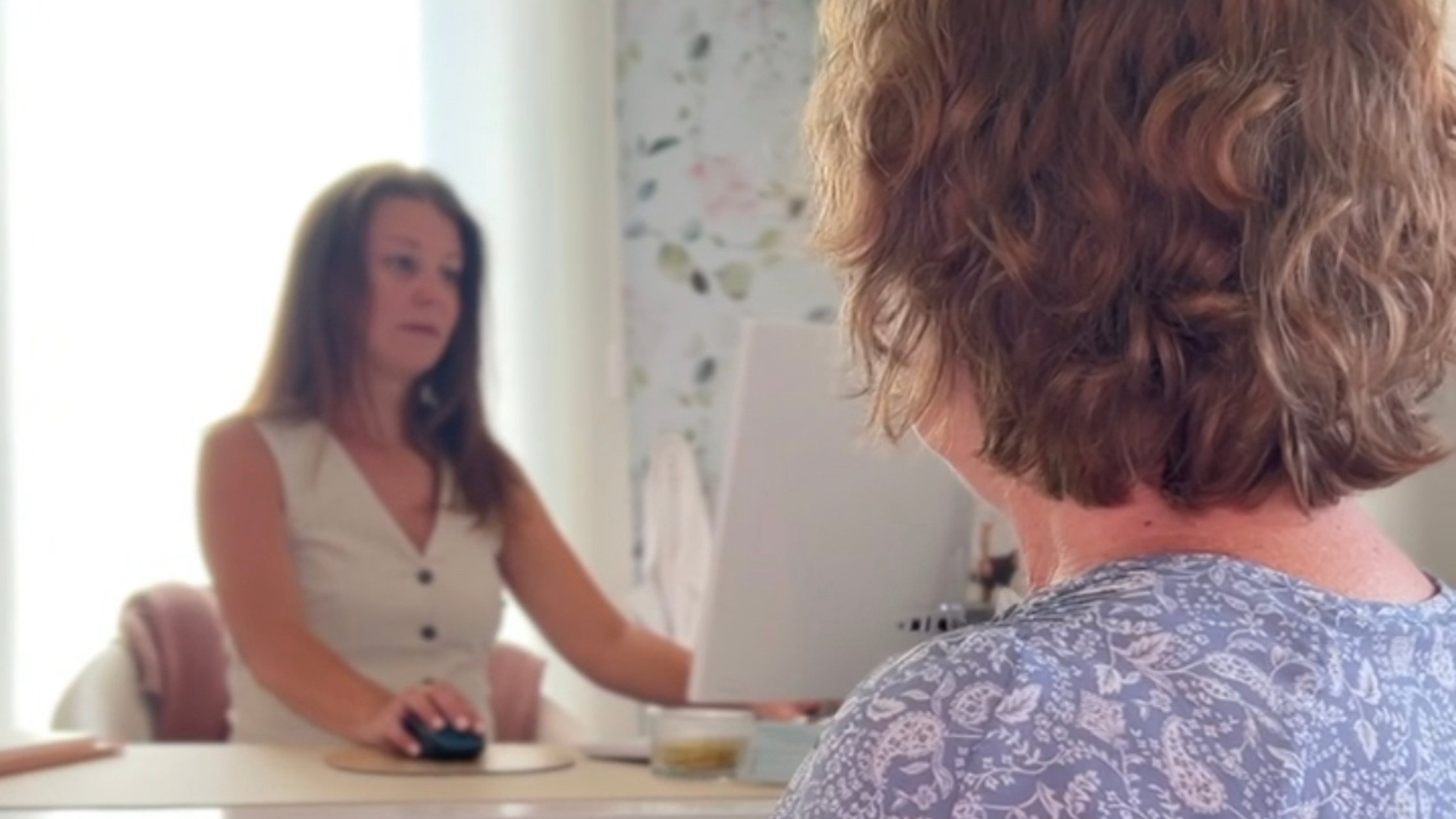
A women’s health consult helps uncover:
hormone imbalances
cortisol patterns
nutrient deficiencies
nervous system stress
contributing lifestyle factors
Once you understand what’s going on internally, you can support it properly.
2. Replenish What the Holidays Depleted
January is an ideal time to restore what your body lost.
Targeted support may include:
Vitamin B12 for energy and nervous system support
Vitamin D for mood, immunity, and hormone balance
Vitamin C for adrenal support
Glutathione for cellular repair and inflammation
Vitamin injections and IV therapy can be powerful tools when your body needs a reset, without overwhelm.
3. Support the Nervous System First
Libido doesn’t respond to pressure.
When the nervous system feels calm and supported, desire has space to return. This might include:
regulating sleep
managing stress
addressing anxiety
restoring routine
reducing inflammation
Desire is a by-product of balance, not something you “push” into existence.
4. Address Intimate Health Without Shame
Low libido is incredibly common, yet rarely discussed honestly.
At Vena Health + Wellness, intimate health is treated as a normal and important part of women’s wellness. Whether libido changes are hormone-related, stress-related, or both, there are options and solutions available.
You don’t have to feel embarrassed, broken, or dismissed.
The Truth: Libido Is a Vital Sign of Overall Health
Libido isn’t just about intimacy, it’s a reflection of how your body feels internally.
When energy is low, stress is high, and hormones are out of balance, desire fades. When your body feels supported, regulated, and replenished, it often returns naturally.
January is not the time to judge yourself.
It’s the time to listen.
Book a Women’s Health Consult
If your libido has dropped, your energy feels low, or you feel disconnected from your body after the holidays, you’re not alone, and help is available.
A women’s health consult gives you clarity, answers, and a plan tailored to your body and needs.
You deserve to feel connected, energized, and like yourself again.
👉 Book your women’s health consult today.