

We Don’t Talk About This Enough: Intimacy Changes
No one tells you that intimacy can feel different, even when you’re still in love.
No one explains that sensation can decrease.
That dryness can happen even if you’re healthy.
That your libido can shift seemingly overnight.
That something that once felt easy can suddenly feel uncomfortable, frustrating, or distant.
And because no one talks about it… most women assume it’s just them.
It’s not.
The Changes Many Women Quietly Experience
At Vena Health + Wellness, we hear this more often than you’d think:
“I just don’t feel the same down there.”
“I love my partner, but my drive is gone.”
“It feels different. Not bad… just different.”
“It’s uncomfortable sometimes.”
“I don’t feel as confident in my body.”
These conversations usually happen quietly.
After months — sometimes years — of wondering.
Intimacy changes are incredibly common.
They’re just not commonly discussed.
Why It Happens (And Why It’s Not Your Fault)
There are real physiological reasons intimacy can shift.
Hormonal Changes
Estrogen plays a major role in vaginal tissue health, lubrication, and elasticity. As estrogen levels fluctuate — whether due to stress, postpartum changes, perimenopause, menopause, or even certain birth controls — tissues can become thinner, drier, and less responsive.
Testosterone, which women also produce, influences libido and arousal. When levels drop, desire often follows.
Postpartum Changes
Pregnancy and childbirth impact pelvic floor muscles, nerve sensitivity, and tissue structure. Even years later, some women notice lingering changes in sensation or strength.
Aging & Tissue Integrity
As collagen production decreases with age, vaginal tissue can lose elasticity and firmness — just like skin elsewhere on the body.
Stress & Cortisol
When your nervous system is in survival mode, your body prioritizes safety over pleasure. Chronic stress directly impacts libido and arousal response.
None of this means something is “wrong” with you.
It means your body has changed, and your body deserves support.
The Emotional Side No One Talks About
Sometimes the hardest part isn’t the physical shift.
It’s the quiet confidence loss.
It’s wondering if your partner notices.
It’s feeling disconnected from your femininity.
It’s avoiding intimacy because it doesn’t feel the same.
It’s questioning whether this is just “what happens” as you age.
But here’s the truth:
You don’t have to just live with it.
What Support Can Actually Look Like
The first step isn’t a treatment.
It’s a conversation.
A women’s health consult at Vena Health + Wellness is designed to look at the full picture:
Hormone health
Pelvic floor strength
Tissue integrity
Nervous system balance
Nutrient levels
Stress patterns
From there, we explore personalized options that may include:
Plus90
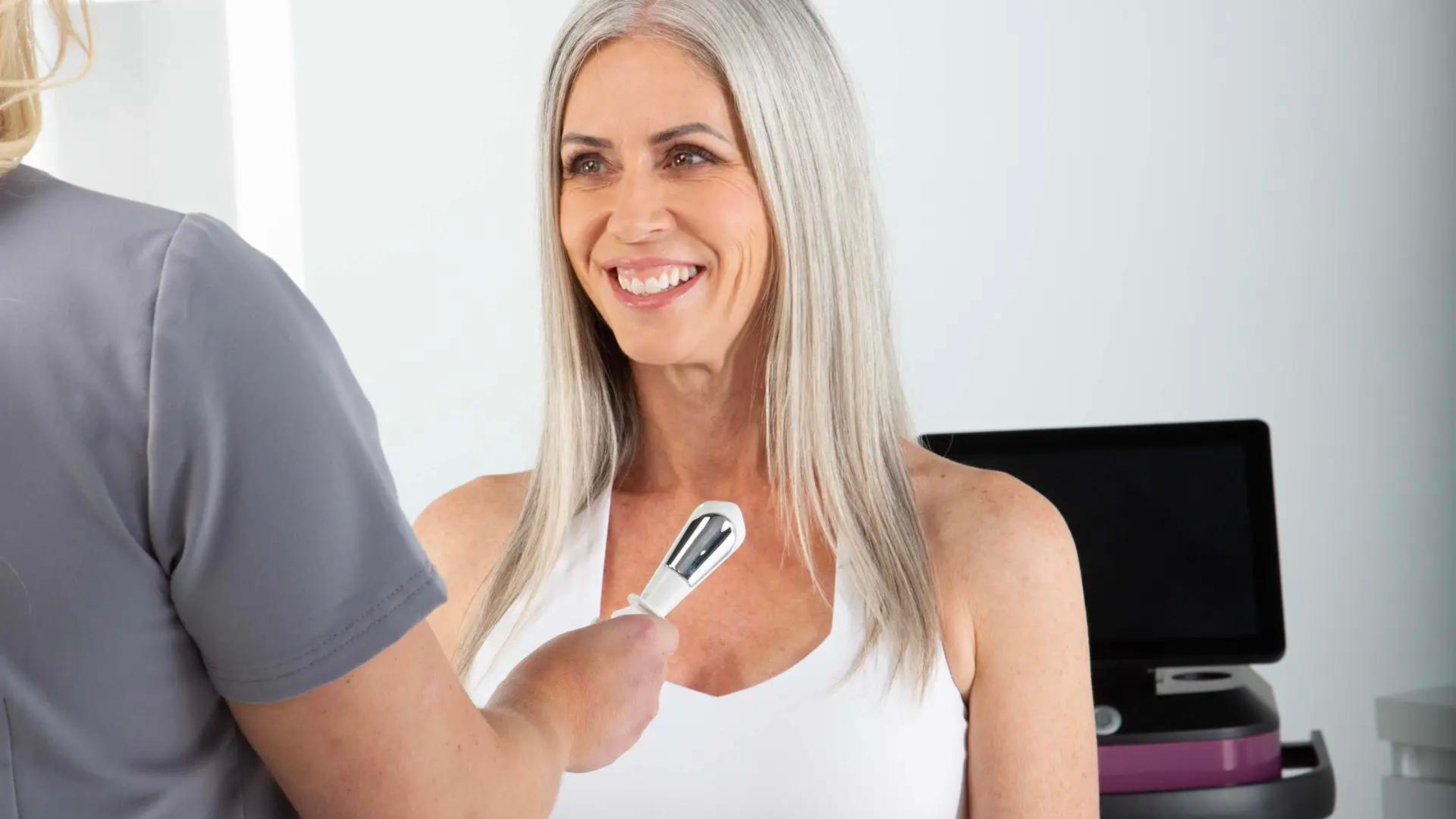
A non-surgical treatment designed to support vaginal tissue health, elasticity, and sensation by stimulating collagen production and improving circulation.
vTone
A pelvic floor strengthening treatment that helps improve muscle tone, support, and overall function.
Hormone Support
When appropriate, balancing hormone levels can significantly impact libido, comfort, and overall wellbeing.
The goal isn’t just physical improvement.
It’s helping you feel like yourself again.
You Deserve to Feel Connected
Intimacy is about more than sex.
It’s about confidence.
Connection.
Feeling comfortable in your body.
Feeling present.
Feeling feminine, however that looks for you.
If something feels different, that’s valid.
If something feels off, that matters.
If you’ve been silently adjusting instead of addressing it, you’re not alone.
But you also don’t have to stay there.
We Don’t Talk About This Enough
And that’s exactly why we should.
If you’re experiencing changes in intimacy, sensation, or confidence, a women’s health consult is a safe place to start the conversation.
No pressure.
No judgment.
Just education, options, and support.
Because looking good is one thing.
But feeling connected to your body again?
That’s everything.