

If Kegels Aren’t Working, This Might Be Why
If you’ve been told to “just do your kegels” for bladder leaks, pelvic floor weakness, or intimate changes and you’ve been doing them with little to no improvement, you’re not alone.
At Vena Health + Wellness, many women come to us feeling frustrated, confused, or even embarrassed because they’ve tried kegels for months (or years) and still experience:
bladder leaks when laughing, coughing, or exercising
difficulty engaging their core
reduced intimacy or sensation
pelvic heaviness or weakness
a feeling of disconnection from their body
Here’s the truth: kegels aren’t wrong, but they’re often not enough. And in some cases, they’re not the right solution at all.
Let’s talk about why kegels don’t work for everyone, what’s really happening with the pelvic floor, and how modern treatments like vTone can help.
What the Pelvic Floor Actually Does
The pelvic floor is a group of muscles that support the bladder, uterus, and bowel. These muscles play a key role in:
bladder and bowel control
core stability
posture and movement
sexual function and sensation
overall confidence and comfort
When the pelvic floor is functioning well, these muscles contract and relax appropriately. When it’s not, symptoms show up, often quietly at first.
Why Kegels Don’t Work for Many Women
1. Many Women Aren’t Engaging the Right Muscles
One of the biggest issues with kegels is that many women aren’t actually activating their pelvic floor correctly.
Instead of engaging the pelvic muscles, they may:
tighten their glutes
hold their breath
brace their core incorrectly
bear down instead of lifting
If the wrong muscles are doing the work, kegels won’t be effective — no matter how often you do them.
2. Some Pelvic Floors Are Overactive, Not Weak
This surprises many women.
A pelvic floor can be tight, tense, and overworked, not weak. In these cases, doing more kegels can actually worsen symptoms.
Signs of an overactive pelvic floor can include:
pain or discomfort
difficulty fully relaxing
urinary urgency
pain with intimacy
This is why a proper assessment matters. Strengthening isn’t always the answer, coordination and balance are.
3. Life Events Change the Pelvic Floor
Pregnancy, childbirth, hormonal changes, high-impact exercise, chronic stress, and even prolonged sitting can all affect pelvic floor function.
Over time, muscles can lose strength, coordination, or endurance and kegels alone may not provide enough stimulation to rebuild proper function.
4. Consistency Is Hard (And Understandably So)
Kegels require:
proper technique
consistent daily practice
awareness and focus
For many women juggling work, family, stress, and exhaustion, kegels simply fall off the radar, or are done inconsistently, which limits results.
Why Pelvic Floor Strength Matters More Than You Think
Pelvic floor health isn’t just about bladder control.
When these muscles aren’t functioning well, women may notice:
core weakness
reduced stability during workouts
lower confidence
changes in intimacy
fear of movement or exercise
This can quietly affect quality of life, especially when women are told it’s “normal” or something they just have to live with.
The good news? You don’t.
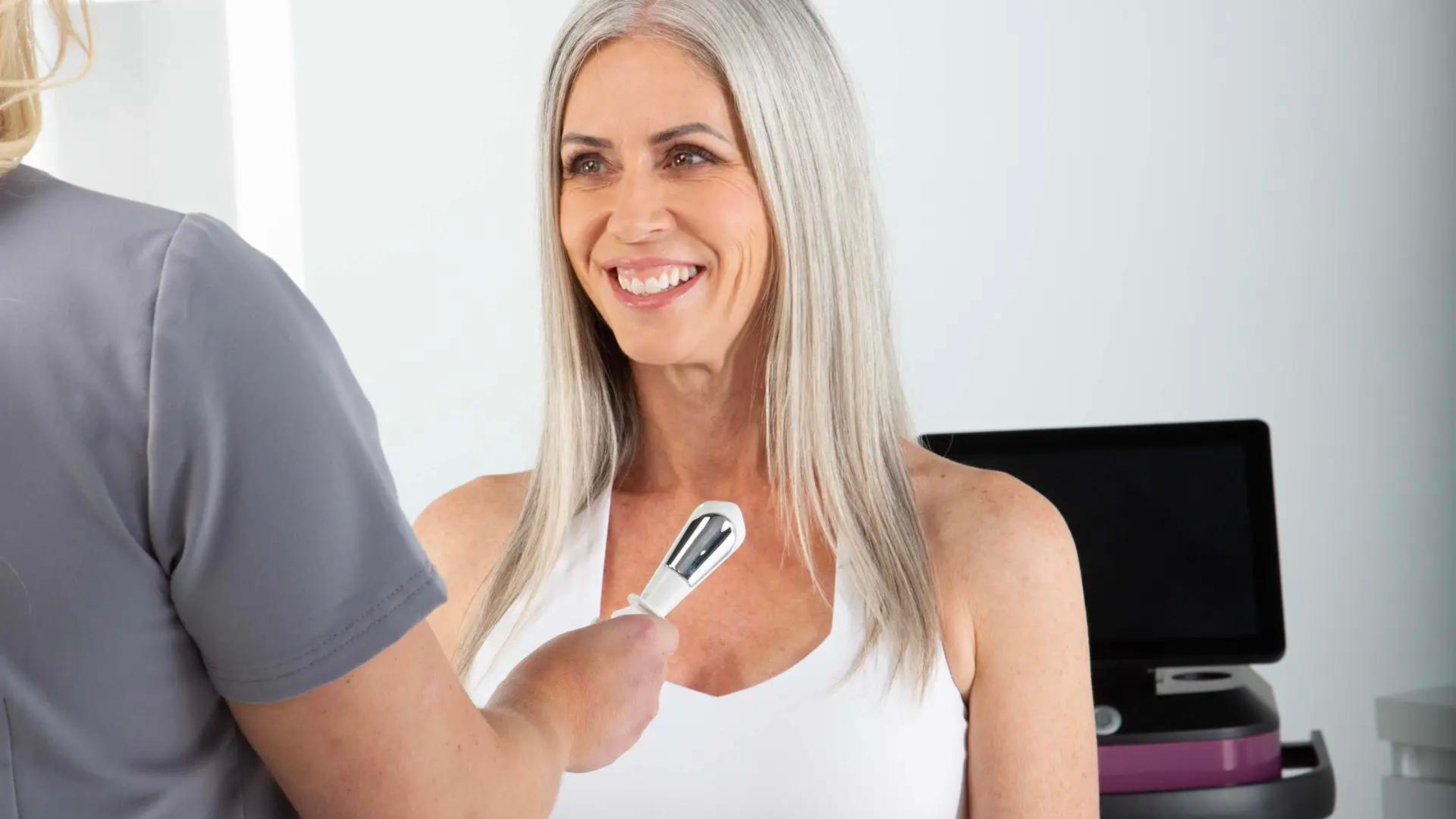
How vTone Helps When Kegels Aren’t Enough
vTone is a non-invasive treatment designed to strengthen and re-educate the pelvic floor muscles using targeted electrical muscle stimulation.
Instead of relying on you to activate the muscles correctly, vTone does the work for you, triggering thousands of muscle contractions during each session.
How vTone Works:
A specialized applicator delivers gentle muscle stimulation
Pelvic floor muscles contract and relax automatically
Muscles are trained more effectively than voluntary kegels alone
Sessions are short and require no downtime
This makes vTone especially helpful for women who:
struggle to feel or engage their pelvic floor
haven’t seen results from kegels
want a structured, guided approach
prefer a non-surgical, non-invasive option
What Women Commonly Notice With vTone
Many women report improvements such as:
better bladder control
fewer leaks during exercise or laughing
improved pelvic strength
increased confidence
enhanced awareness and connection to their pelvic floor
Results build over time, with a series of treatments recommended for best outcomes.
Why Late January Is an Ideal Time to Address Pelvic Floor Health
Late January is often when women finally slow down enough to notice lingering symptoms.
The holidays are over. Routines are returning. And suddenly, issues that were brushed aside feel harder to ignore.
Starting pelvic floor treatment now allows you to:
address concerns privately and comfortably
build strength gradually
feel more confident heading into spring and summer
stop pushing symptoms aside
You’re Not Broken, You’re Just Under-Supported
Pelvic floor symptoms are incredibly common, but they are not something you have to accept as your new normal.
If kegels haven’t worked for you, it doesn’t mean you failed. It simply means your body needs a different type of support.
Book a Women’s Health Consult
At Vena Health + Wellness, pelvic floor health is treated with care, discretion, and zero judgment.
A women’s health consult helps determine:
what’s actually happening with your pelvic floor
whether vTone is right for you
what kind of support will help you feel stronger and more confident
You deserve solutions that work, not frustration or silence.
👉 Book your women’s health consult today.